In Praise of Tetris
A reflection on how early on I found my calling and the lessons I learned from playing Tetris
PERSONAL REFLECTIONS
I was never any good at video games.
My younger brother, however, was (and probably still is). So, on the rare occasion that we had free time and the power was on, we had to take turns playing our knockoff 8-bit console. The rule was, you play until you lose, then we switch. His game of choice was Super Mario. We tried the 2-player option, but Luigi, or Green Mario as you'd call him if you were a Lebanese kid, was not my look.
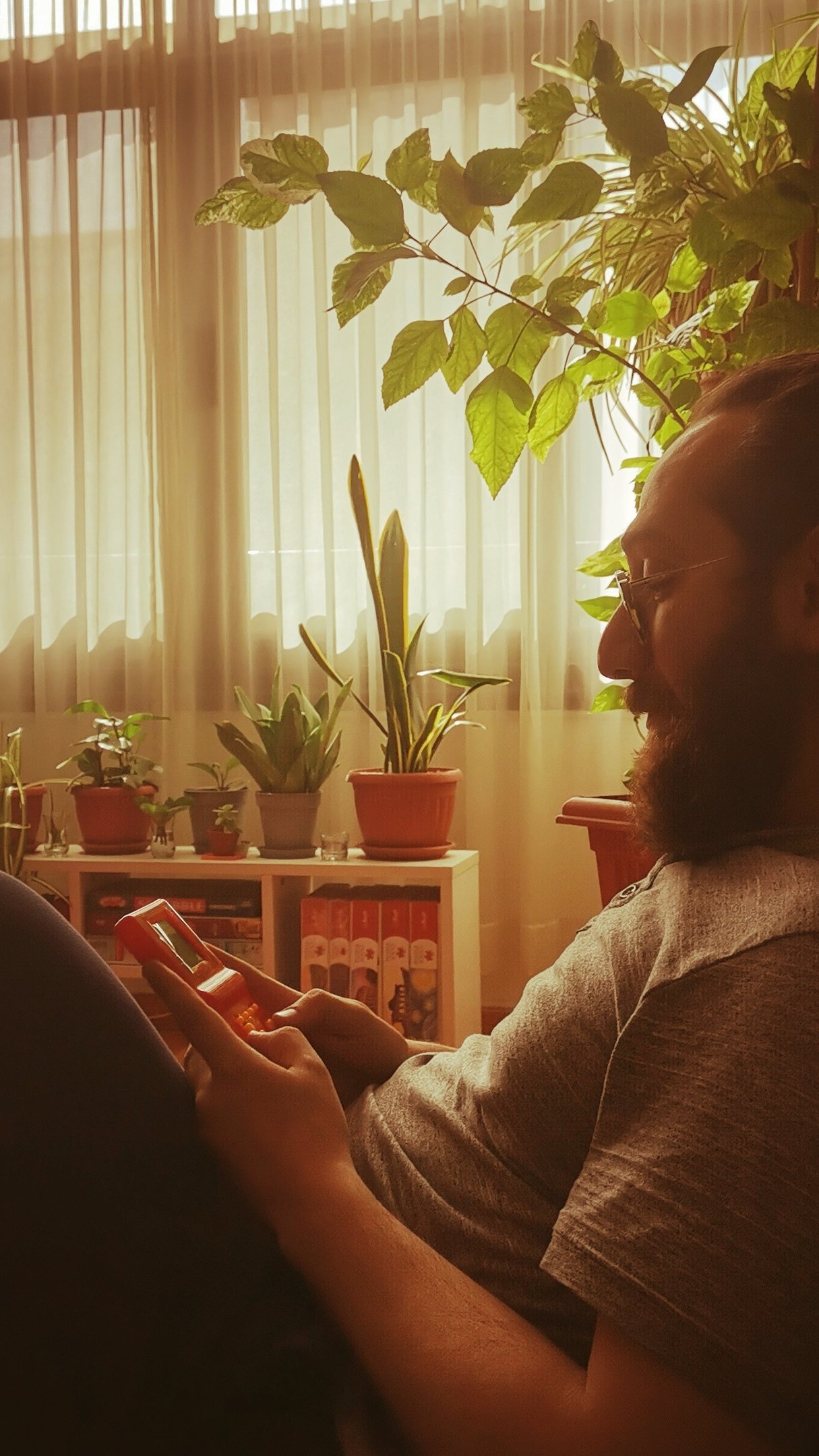
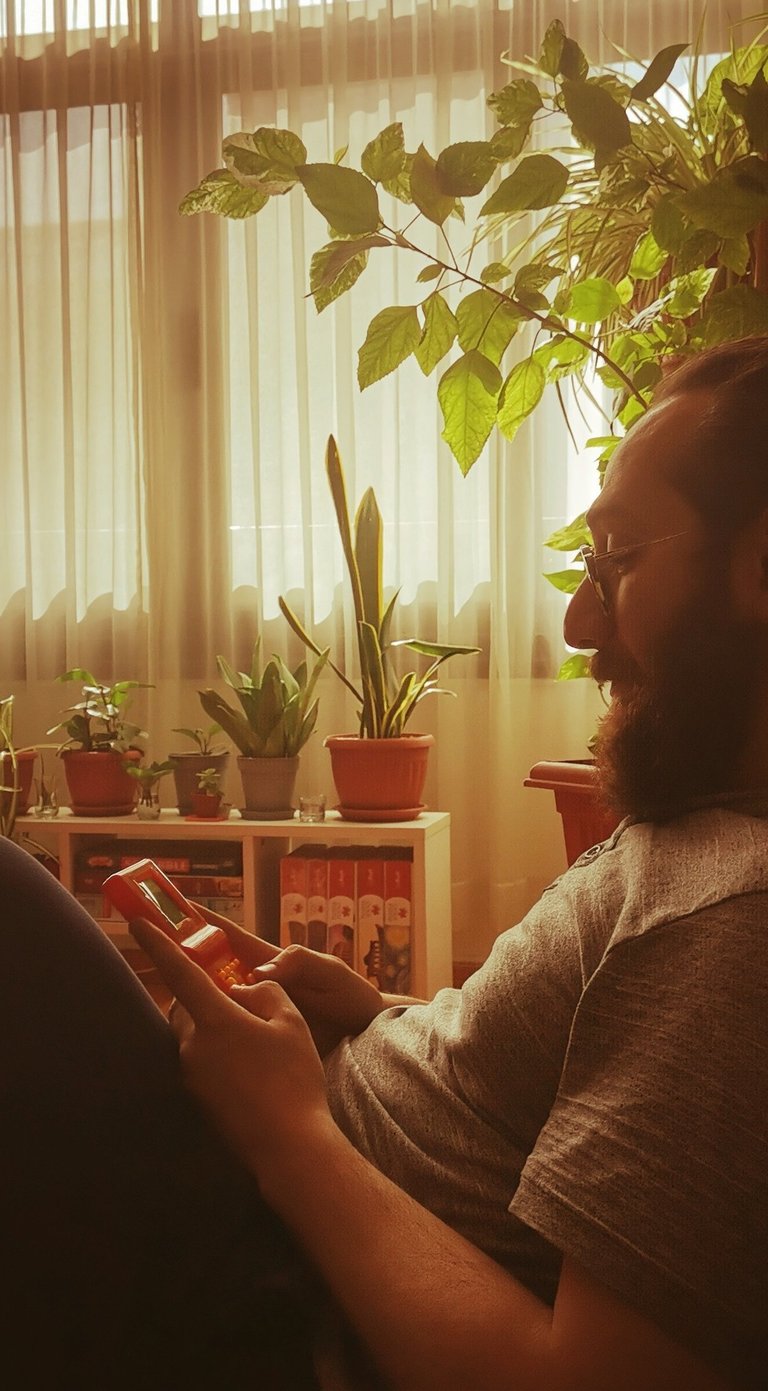
My brother would take what felt like forever beating one level after another as I sat there watching, patience running thin, anxiety running high that the power would go out, and I wouldn't get to play video games that day. So, when it would finally become my turn, I would engage my pettiest of tactics: play Tetris.
While other kids were out mastering sports or leveling up characters in sprawling fantasy worlds, I was obsessive about one thing: fitting things together.
At the time, I thought I was just trying to beat a high score and get under my brother's skin. Either way, it felt meditative.
Decades later, as I navigate the complexities of organizational design, project management, and self-development, I’ve realized that Tetris was far from a game. It was my first masterclass in strategic execution.
Romanticizing the "Perfect" Fit
In the early levels of Tetris, life is easy. The pieces drop slowly. You have the luxury of time to rotate a block four times, debating exactly where it should go to maintain a perfectly flat surface.
But as the game speeds up, you learn a hard truth:
"Overanalysis is the fastest way to hit the ceiling."
In life, we often wait for the "I-beam," that long, straight four-block piece that clears everything in one go. We stall our projects and delay our decisions because we are waiting for the perfect conditions or the perfect time. But while we wait for the perfect fit, the "garbage" piles up. The screen fills.
Tetris taught me that a "good enough" placement that keeps the game moving is infinitely better than a perfect placement that happens too late. In the architecture of the self, momentum is a structural requirement.
The Advantage of Action
There is a specific feeling in Tetris when you realize you’ve made a mistake. You mis-rotate a piece, and it lands in a way that creates a "hole" or a gap that you can’t easily fill.
A novice panics. They focus entirely on the hole, trying to fix the mistake while ignoring the new pieces falling from the top. They lose sight of the horizon because they are obsessed with the error in the foundation.
The strategist, however, understands that you don't win by fixing the past; you win by managing the present. You learn to play "on top" of your mistakes. You make the next move, and the move after that, until the lines clear and the hole eventually vanishes.
This is the essence of maximizing impact. It is the realization that your ability to remain present and keep acting is what leads to the increased advantage in life outcomes.
"High-performers still make mistakes, but they refuse to let a single "mis-rotated block" stop the entire game."
The Architecture of Pressure
The beauty of Tetris is that it is a game that cannot be "won"—it can only be played better. The goal isn't to reach an end state where everything is static; the goal is to maintain your vitality as the pace increases.
As the music speeds up and the blocks fall like rain, your biology takes over. You stop thinking with your analytical mind and start acting with your gut. This is Biological Vitality in its purest form. It is the moment where your preparation meets the pressure of the environment.
When I look at many entrepreneurs and founders today, I see a lot of "Tetris panic." Teams are overwhelmed by the speed of the AI revolution or the noise of the "Great Detachment." They are paralyzed by the falling blocks.
My advice?
1. Clear the lines you can: Don't worry about the top of the stack yet.
2. Stop waiting for the I-beam: Use the pieces you have right now.
3. Keep the board low: Manage your energy and your environment so you have room to move.
Still Fitting Things Together
I still think about those neon blocks.
Tetris taught me that life doesn't give you the pieces you want in the order you want them. It gives you a random sequence of challenges and asks you to find the order within them.
It taught me that resilience isn't about being perfect. It’s about being observant, being patient, and, above all, never stopping the rotation.
---
If you are a founder, social entrepreneur, director of a non-profit, or a young professional looking to find stability, clarity, and growth opportunities in the middle of the chaos, let's chat.
Exploratory calls are free, and I would love to hear about what you do.
For more and similar content, make sure to follow me on LinkedIn below.